Eye Care Services
Glaucoma
Early Detection is Key to Protecting Your Vision
Glaucoma is a condition that can develop without noticeable symptoms in its early stages, yet it may lead to permanent vision loss if not detected and treated early. At Telescope, we provide precise diagnosis and advanced follow-up care to protect the health of your optic nerve.
What is Glaucoma?
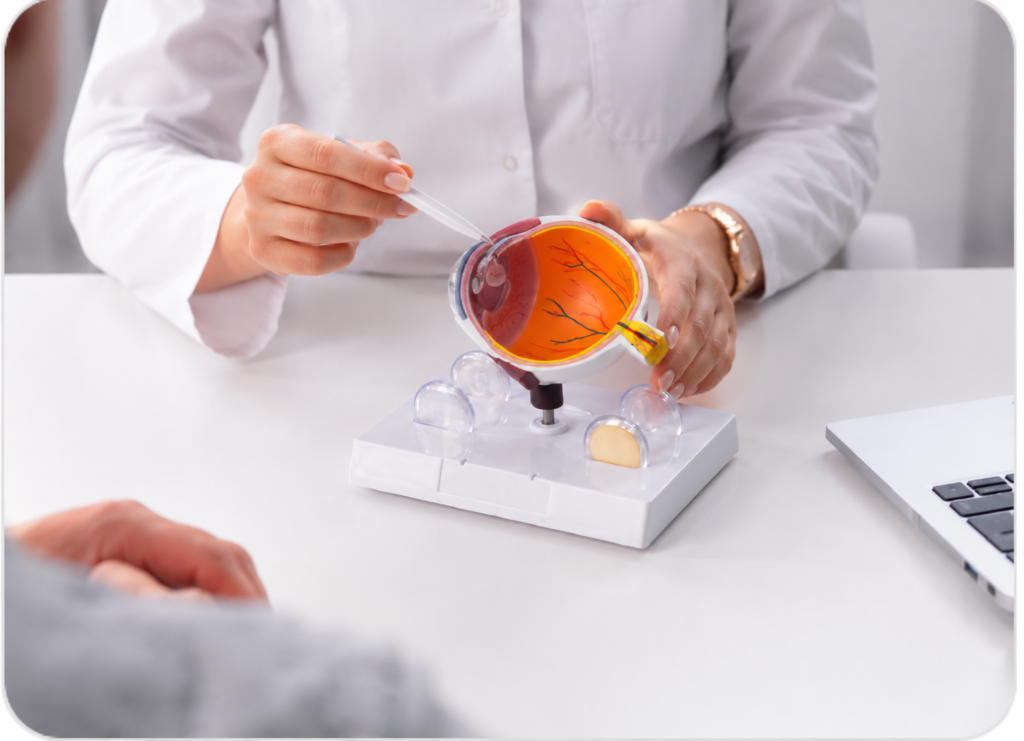
Glaucoma is a condition that causes damage to the optic nerve, often associated with increased eye pressure.
It typically develops gradually and without early symptoms, making regular eye examinations essential.
How is Glaucoma Treated?
Treatment aims to control the condition and prevent further damage—it does not reverse existing vision loss.

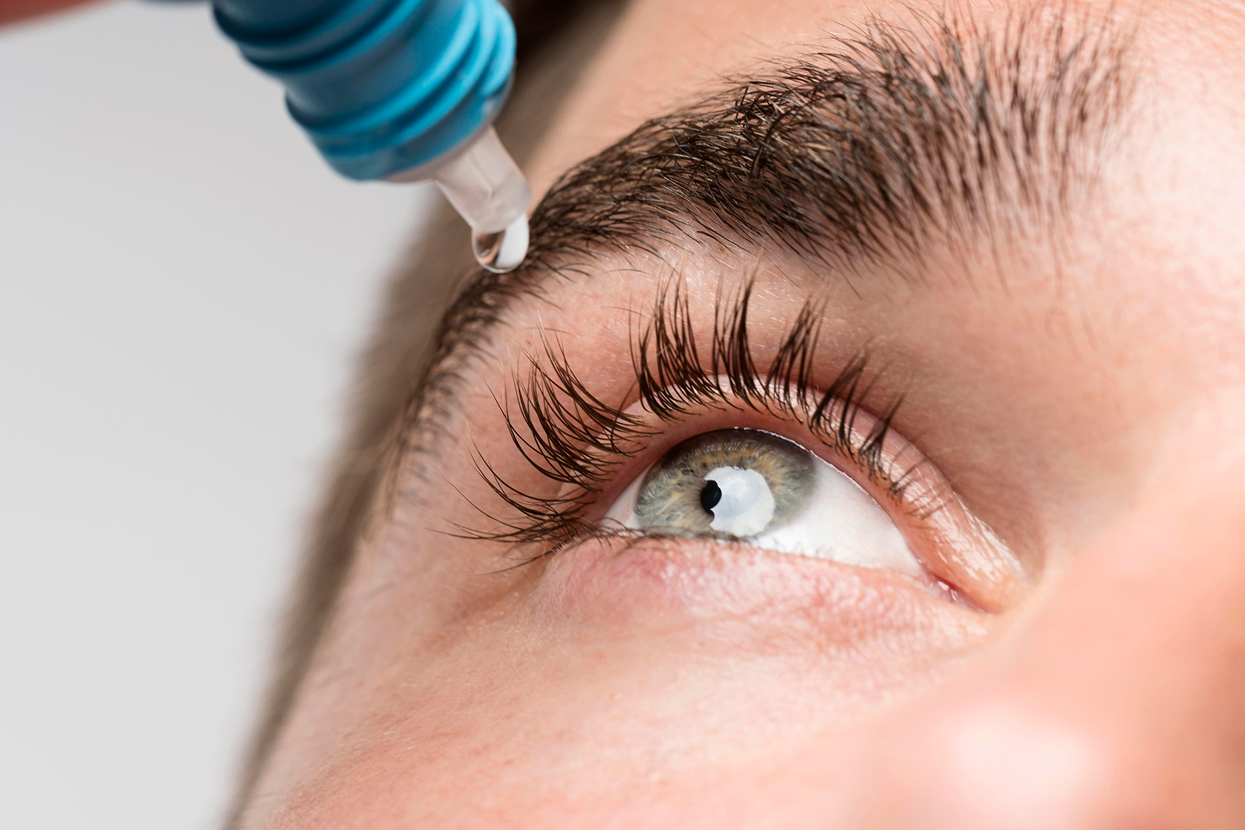
Eye Drops
The most common treatment to help lower eye pressure
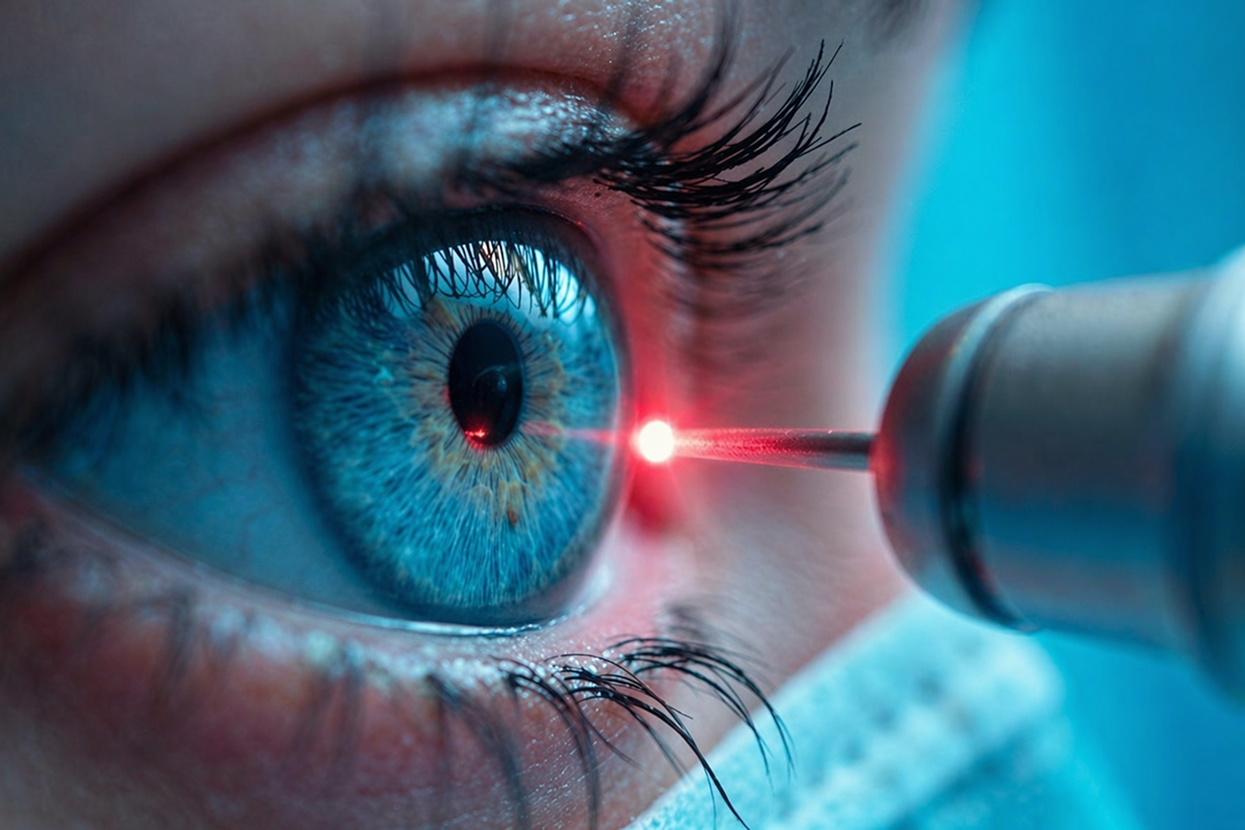
Laser Treatment
Used in certain cases to improve fluid drainage within the eye
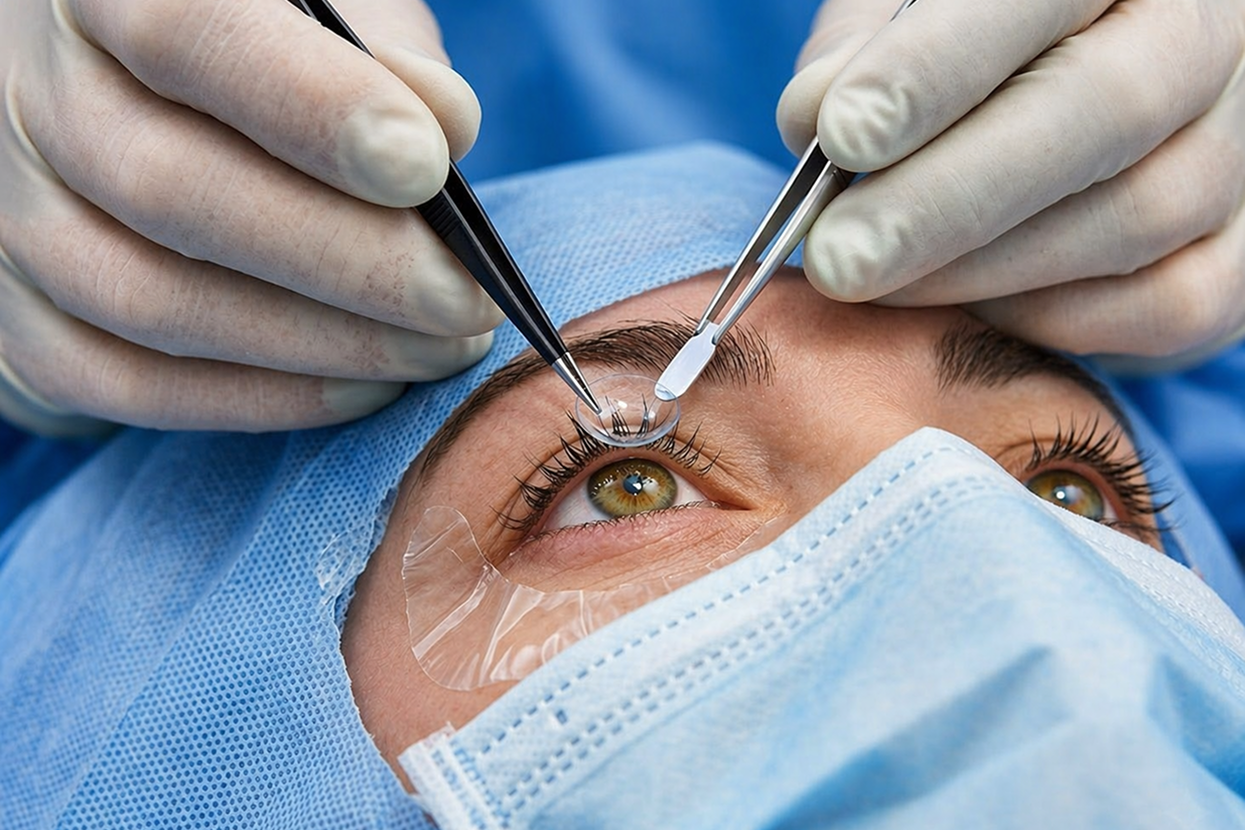
Surgical Treatment
In advanced cases or when there is no response to treatment, options include valve implantation, drainage surgery, and other procedures.

Symptoms of Glaucoma
In most cases, there are no clear symptoms in the early stages. As the condition progresses, you may notice:
- Gradual loss of peripheral (side) vision
- Constriction of the visual field
- Blurred vision in advanced stages
In acute cases:
- Severe eye pain
- Redness
- Sudden blurred vision
Types of Glaucoma
Open-Angle Glaucoma
- The most common type, developing slowly without noticeable early symptoms.
- How vision may look with open-angle glaucoma: Peripheral (side) vision is gradually lost over time, often without early noticeable symptoms
Angle-Closure Glaucoma
- Less common but can be an emergency requiring immediate medical attention.
- How vision may look with angle-closure glaucoma: Sudden symptoms may include severe eye pain, blurred vision, halos around lights, nausea, and redness
Who is More Likely to Develop Glaucoma?
The risk of glaucoma increases in the following cases:
Elevated intraocular pressure
Nearsightedness (myopia)
Advancing age
Family history
Having diabetes
Long-term use of certain medications
When Should You Seek Immediate Care?
Early intervention can help prevent permanent vision loss.
Sudden, severe eye pain
Severe redness with blurred vision
Rapid vision loss
Severe headache with visual changes.
How is Glaucoma Treated?
Treatment aims to control the condition and prevent further damage—it does not reverse existing vision loss.
Eye Drops
The most common treatment to help lower eye pressure
Laser Treatment
Used in certain cases to improve fluid drainage within the eye
Surgical Treatment
In advanced cases or when there is no response to treatment, options include valve implantation, drainage surgery, and other procedures.

Our Technology at Telescope
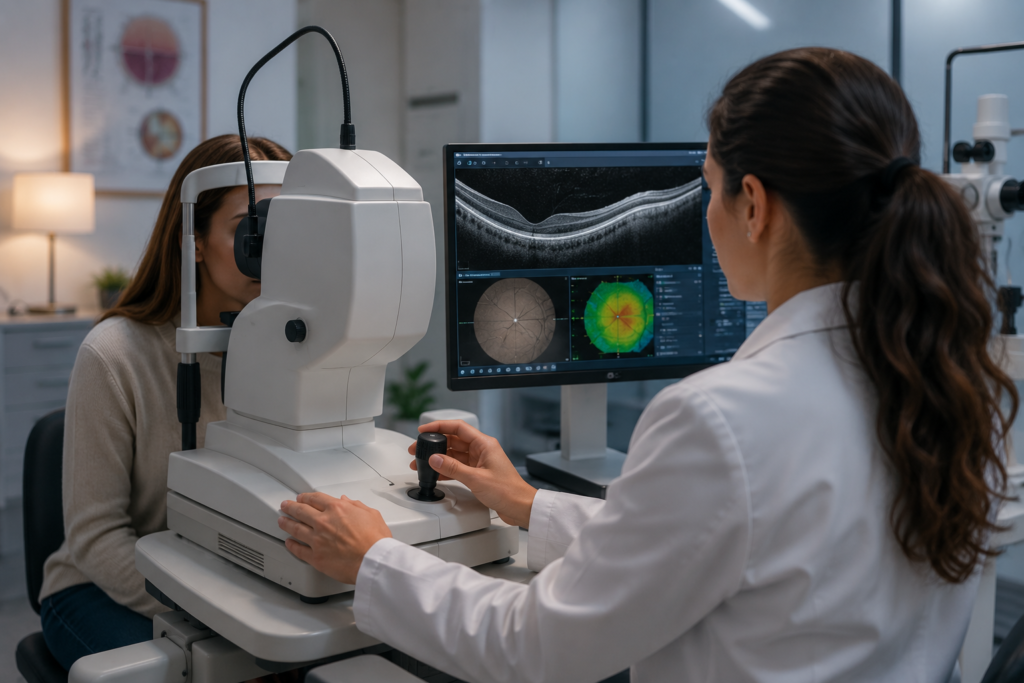
We use advanced technology to accurately diagnose and manage glaucoma:
- Modern eye pressure measurement devices
- Optic nerve imaging and precise analysis
- Regular follow-up and personalized treatment plans
What to Expect After Starting Treatment
Adherence to treatment and follow-up is essential to preserving vision.
- Control of eye pressure
- Slowing or stopping the progression of the disease and preserving the optic nerve.
- Ongoing monitoring to maintain stability
Our Technology at Telescope
We use advanced technology to accurately diagnose and manage glaucoma:
- Modern eye pressure measurement devices
- Optic nerve imaging and precise analysis
- Regular follow-up and personalized treatment plans
What to Expect After Starting Treatment
Adherence to treatment and follow-up is essential to preserving vision.
- Control of eye pressure
- Slowing or stopping the progression of the disease and preserving the optic nerve.
- Ongoing monitoring to maintain stability
Frequently Asked Questions
Can glaucoma be cured?
The damage caused by glaucoma cannot be reversed, but the condition can be controlled to prevent further progression.
Is treatment lifelong?
In most cases, ongoing treatment and monitoring are required to maintain stability.
Is the examination painful?
Glaucoma exams are simple, painless, and performed using advanced diagnostic tools.
When should I get checked for glaucoma?
Regular check-ups are recommended, especially for those with risk factors or a family history.
Can glaucoma cause vision loss?
If left untreated, it can lead to vision loss. However, early detection significantly reduces this risk.
Book Your Consultation Today
Early detection and regular follow-up are essential to protecting your vision.